KANGAROO ISLAND VETERINARY CLINIC
  • Home
  • Vet Services
    • Small Animal Services
    • Large Animal Services
    • Online Bookings for Vet Services
  • Emergencies
  • Boarding
    • Facilities & Care
    • Fees & surcharges
    • Terms & Conditions
    • Online Bookings for Boarding
  • Retail
  • Meet The Team
    • Veterinarians
    • Veterinary Nurses & Support Staff
  • Newsletter
    • Articles
  • Contact Us

Articles

Sand Colic

16/3/2020

0 Comments

 
What is it and what can I expect if my horse has sand colic?
Sand colic is a common problem on Kangaroo Island due to the sandy nature of our coastal soils. Horses that are more prone to ingesting large amounts of sand include those that are underfed, fed on the ground, or live in overstocked, overgrazed pastures in sandy areas. Sand is very irritant to the lining of the digestive tract and can result in chronic diarrhoea and ill thrift. Life-threatening colic due to sand ingestion results when an impaction, digestive tract blockage due to enterolith (giant sand rock), or volvulus (twisted bowel) occurs.
Picture
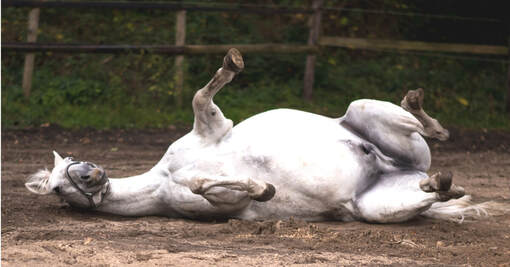
Clinical signs of sand colic can include rolling, pawing, not eating, not passing faeces, laying down excessively, looking at and kicking the belly. However, it can also include signs such as diarrhoea (chronically or intermittently), weight loss or difficulty maintaining weight. If your horse experiences colic, the visiting vet should discuss your horse’s history and perform a thorough clinical exam to identify the cause of colic and/or diarrhoea.

It is important to rule out other causes of these problems and diagnostic tests may be employed. Tests to identify sand colic include faecal sand sedimentation, abdominal auscultation and palpation, abdominal fluid sampling, rectal palpation, abdominal ultrasound and radiography, and abdominal exploratory surgery.

Call the Clinic immediately if you see signs of colic, as prompt treatment makes success more likely.  The best treatment for sand colic is oral psyllium. Your vet may need to administer psyllium and/or oil and fluids via nasogastric tube. Treatments such as antibiotics, anti-inflammatories and intravenous fluids may also be necessary.  Severe or non-responsive sand colic may require abdominal surgery at an equine specialist centre.

What can I do to help prevent my horse from getting sand colic?
  • Do not feed on the ground. Give your horse hard feed in buckets and hay in feeders, use mats on the ground and ensure any bucket/feeder used is safe (ie legs and heads won’t get stuck in it).
  • Avoid over-grazing paddocks, boredom and over-crowding. Ensuring your horse receives all the nutrients it needs by feeding a well balanced diet. This will reduce the risk of grazing close to the ground or abnormal dirt-eating behaviours.
  • Use strategic grazing management of paddocks to reduce exposure to sandy areas when feed is short. Graze sandier paddocks when feed is long and well-established (spring) to reduce sand intake.  When building new paddocks or designing a property layout, take into consideration the sandy areas and plan for rotational grazing.
  • Feed psyllium husks. Psyllium fibre is the best treatment for sand colic. Once ingested, it acts by binding to sand to help remove accumulated sand from the bowel. Psyllium husks are sold at the vet clinic and our staff can discuss a specific dose and frequency for your horse.

After the break in the season in Autumn is a specific risk period for sand ingestion as hungry horses grazing newly germinated plants pull up and ingest the entire plant – roots and soil included. This is an important time to give psyllium treatments and monitor sand within faeces with the sedimentation test. Prevention is always better than cure, so please don’t hesitate to contact the vet clinic to discuss your horse’s needs in relation to sand colic.
0 Comments

Your comment will be posted after it is approved.


Leave a Reply.

    Archives

    April 2020
    March 2020
    February 2020
    January 2020
    December 2019
    November 2019
    October 2019

    Categories

    All
    Cats
    Cattle
    Deficiencies
    Dogs
    Environmental Risks
    Fire
    Horses
    Nutrition
    Parasites
    Poultry
    Reproduction
    Sheep
    Toxicities
    Trauma
    Wildlife

    RSS Feed

Powered by Create your own unique website with customizable templates.
Photos from toshiro.hitsugaya, mealmakeovermoms, Tauralbus, kevgibbo
  • Home
  • Vet Services
    • Small Animal Services
    • Large Animal Services
    • Online Bookings for Vet Services
  • Emergencies
  • Boarding
    • Facilities & Care
    • Fees & surcharges
    • Terms & Conditions
    • Online Bookings for Boarding
  • Retail
  • Meet The Team
    • Veterinarians
    • Veterinary Nurses & Support Staff
  • Newsletter
    • Articles
  • Contact Us